
Environmentally Friendly Waterproof Fabric for Sustainable Outdoor Use
By:Admin
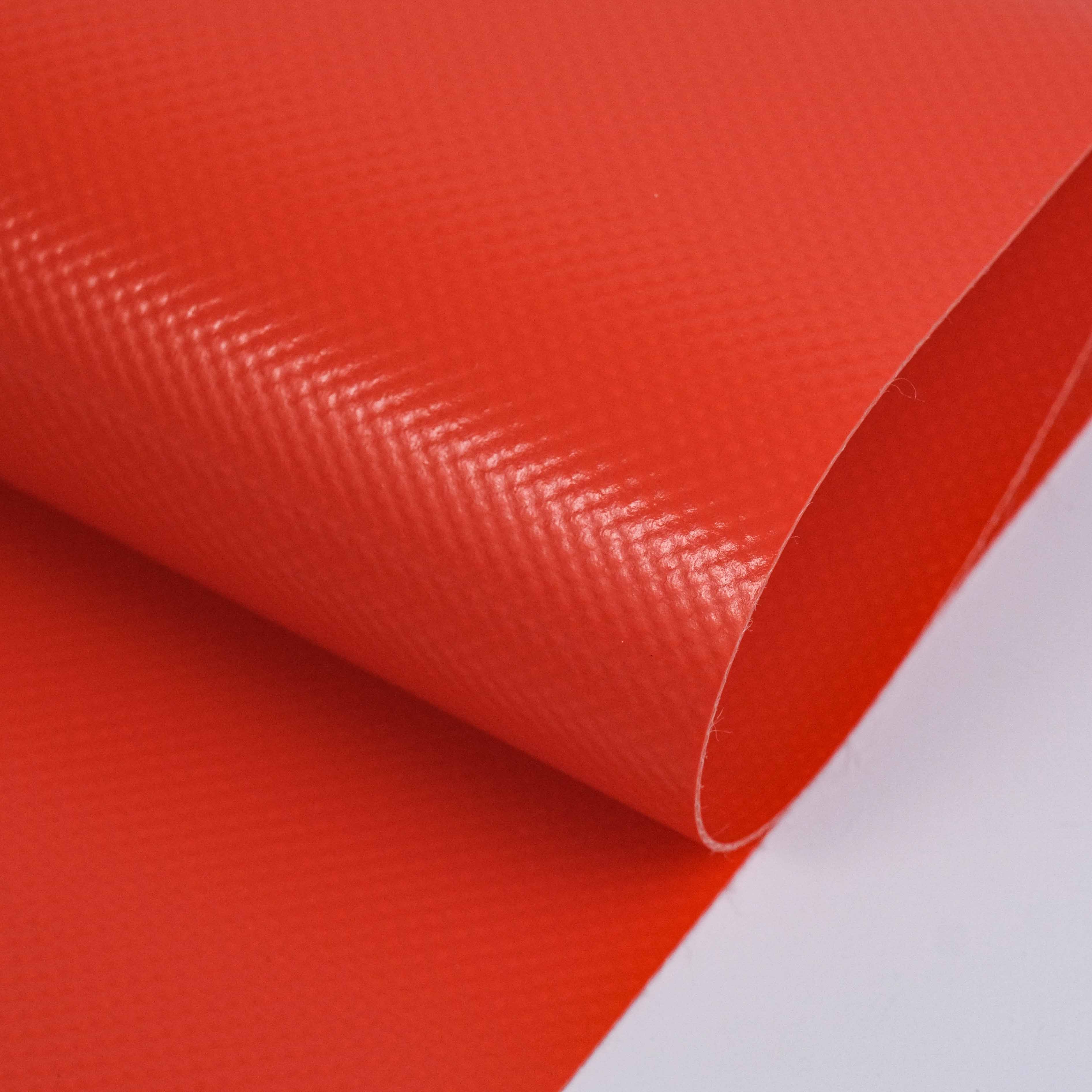
In a significant breakthrough for sustainable fashion and outdoor gear, a new environmentally friendly waterproof fabric has emerged as a game-changer in the textile industry. This innovative material combines functionality with eco-conscious manufacturing processes, offering an appealing alternative to conventional waterproof fabrics that often rely on harmful chemicals and non-renewable resources.
**Sustainability Meets Performance**
Waterproof fabrics have been a cornerstone for outdoor apparel, sportswear, and technical clothing, providing critical protection against rain, wind, and moisture. However, many traditional waterproof materials are produced using fluorinated compounds (PFAS) and other substances that pose environmental and health risks. Recognizing this challenge, researchers and manufacturers have collaborated to develop a waterproof fabric that is not only highly effective but also respects ecological boundaries.
The newly developed fabric uses plant-based polymers and biodegradable coatings, eliminating the need for toxic chemicals common in standard waterproof textiles. Its manufacturing process significantly reduces carbon emissions and water consumption, underscoring the company’s commitment to greener production methods. Additionally, the fabric is designed for durability and long lifecycle use, further minimizing environmental impact through extended product longevity.
**Company Background: Pioneering Sustainable Textiles**
The company behind this innovation has long been committed to advancing sustainable materials within the textile industry. With decades of experience in fabric engineering and a clear sustainability mandate, the company integrates scientific rigor with environmental stewardship. Its mission is to create high-performance textiles that meet the demands of modern consumers while safeguarding natural resources for future generations.
Operating globally, the company collaborates with leading researchers, designers, and environmental organizations to stay at the forefront of green innovation. Their portfolio includes various eco-friendly textiles developed for diverse markets—ranging from outdoor apparel brands to automotive interiors—demonstrating versatility and adaptability of their materials.
**Key Features and Benefits of the New Fabric**
1. **Eco-Friendly Composition:** Derived from renewable natural sources, the fabric’s core materials decompose naturally without leaving harmful residues, avoiding microplastic pollution.
2. **Waterproof and Breathable:** Advanced coating technology ensures exceptional water repellency while maintaining breathability, allowing moisture vapor to escape and enhancing wearer comfort.
3. **Chemical-Free Waterproofing:** The fabric eliminates the use of perfluorinated chemicals (PFAS), which are persistent environmental pollutants linked to health concerns.
4. **Durability and Versatility:** Designed to withstand abrasions and harsh weather conditions, the fabric maintains its waterproof properties even after multiple washes.
5. **Reduced Carbon Footprint:** Sustainable sourcing and optimized production processes minimize greenhouse gas emissions and water usage compared to conventional waterproof materials.
**Industry Impact and Market Potential**
This eco-friendly waterproof fabric arrives at a time when demand for sustainable products is soaring across consumer segments. Outdoor enthusiasts, athletes, and everyday consumers increasingly seek products that align with their environmental values without sacrificing performance. The advent of this fabric enables brands to offer waterproof apparel and gear that meet these expectations, potentially reshaping the competitive landscape.
Furthermore, regulatory pressures and restrictions on harmful chemicals in consumer goods are driving innovation away from traditional waterproofing solutions. By proactively developing non-toxic alternatives, the company positions itself as a leader in sustainable textile innovation, opening doors to new partnerships and markets.
**Looking Ahead: Scaling Up and Collaborations**
The company plans to scale production capacity to meet growing demand while continuing to refine the fabric’s features with the help of customer feedback and technological advancements. Strategic collaborations with fashion brands, outdoor gear manufacturers, and environmental groups are underway to accelerate adoption.
Moreover, the company is investing in further research to explore additional applications of its eco-friendly materials in areas such as home furnishings, industrial textiles, and automotive interiors, expanding the positive environmental impact beyond apparel.
**Conclusion**
The introduction of this environmentally friendly waterproof fabric marks a significant milestone in sustainable textile manufacturing. By carefully balancing high performance with ecological responsibility, the fabric addresses critical challenges posed by traditional waterproof materials. Supported by the company’s long-standing commitment to innovation and sustainability, this new development offers a promising pathway toward greener, healthier, and more durable textiles for diverse markets worldwide.
As consumers and industries gravitate toward sustainable solutions, innovations like this eco-friendly waterproof fabric demonstrate that environmental ethics and cutting-edge technology can go hand in hand, paving the way for a more sustainable future in textile production.